
Pakistan's EV Revolution: Driving Towards a Greener Future by 2026
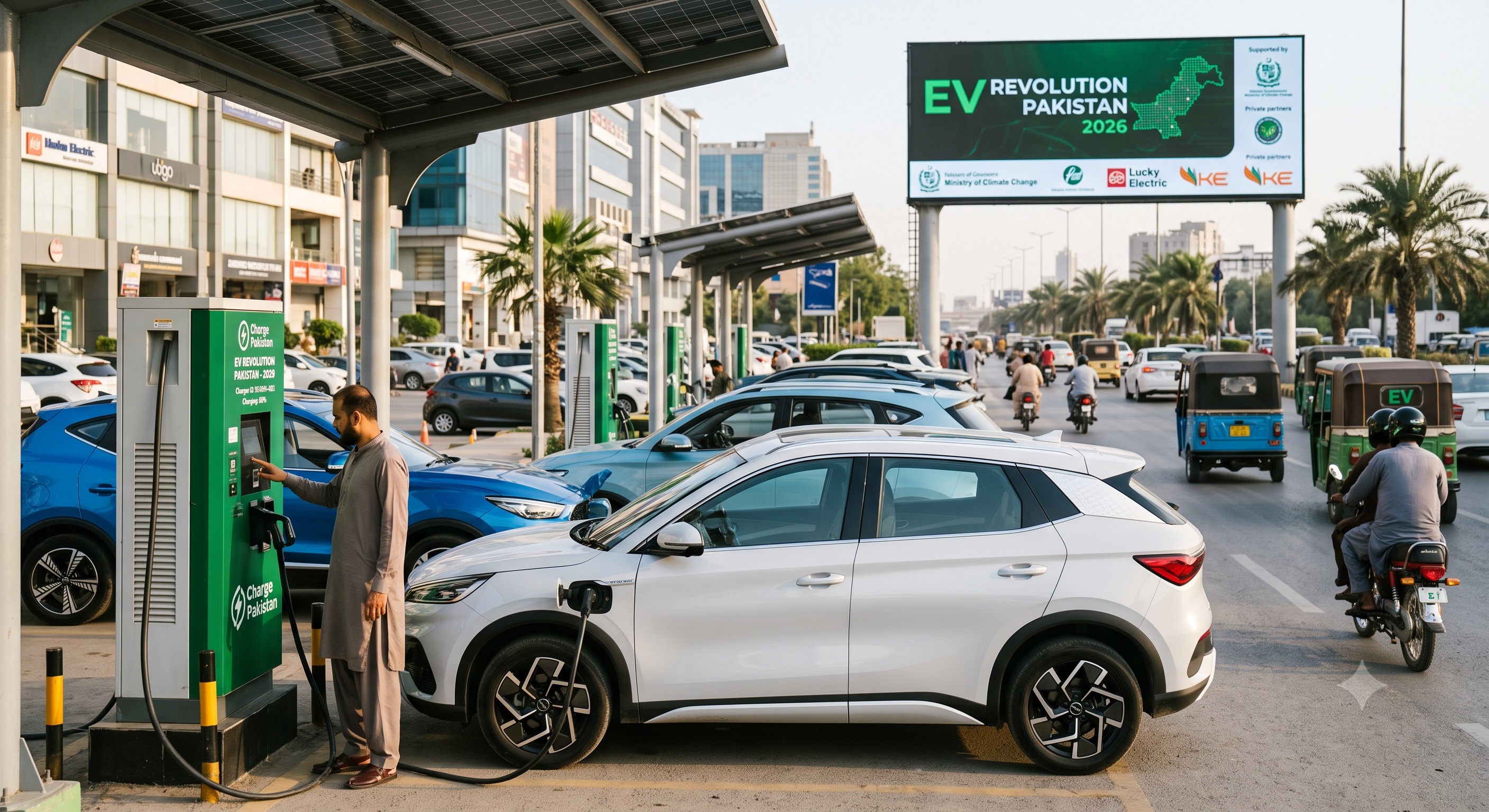
Pakistan's EV Revolution: Driving Towards a Greener Future by 2026
The roar of internal combustion engines has long defined Pakistani roads, but a silent revolution is rapidly gathering pace. Electric Vehicles (EVs) are no longer a distant dream but a tangible reality, and by 2026, Pakistan is poised for a significant shift towards sustainable mobility. This comprehensive guide explores the trajectory, challenges, and immense potential of Pakistan's EV landscape.
Pakistan's journey towards an electrified automotive future is gaining momentum, driven by global environmental concerns, rising fuel costs, and proactive government policies. This post delves into the current state of electric vehicles in the country, outlines key projections for the next two years, and examines the profound economic and environmental impacts this transition is set to bring.
The Current State of EVs in Pakistan
While still in its nascent stages, Pakistan's EV market has shown remarkable growth over the past few years. Early adopters, a growing awareness of environmental benefits, and a strategic push by the government are laying the groundwork for a broader transition.
Early Adopters and Policy Support
The initial surge in EV adoption has largely been fueled by imported units, particularly two-wheelers and smaller four-wheelers, which offer significant operational cost savings compared to traditional petrol vehicles. The government's Electric Vehicle Policy (2020-2025) has played a crucial role, offering attractive incentives like reduced customs duties and sales tax exemptions on imported EVs and their components. This has made EVs more accessible and appealing to a wider segment of the population.
Infrastructure Challenges
Despite policy support, the most significant hurdle remains the charging infrastructure. While major cities like Karachi, Lahore, and Islamabad are seeing an increase in charging stations, their availability in smaller towns and across national highways is still limited. This creates range anxiety for potential buyers, a critical factor hindering mass adoption.
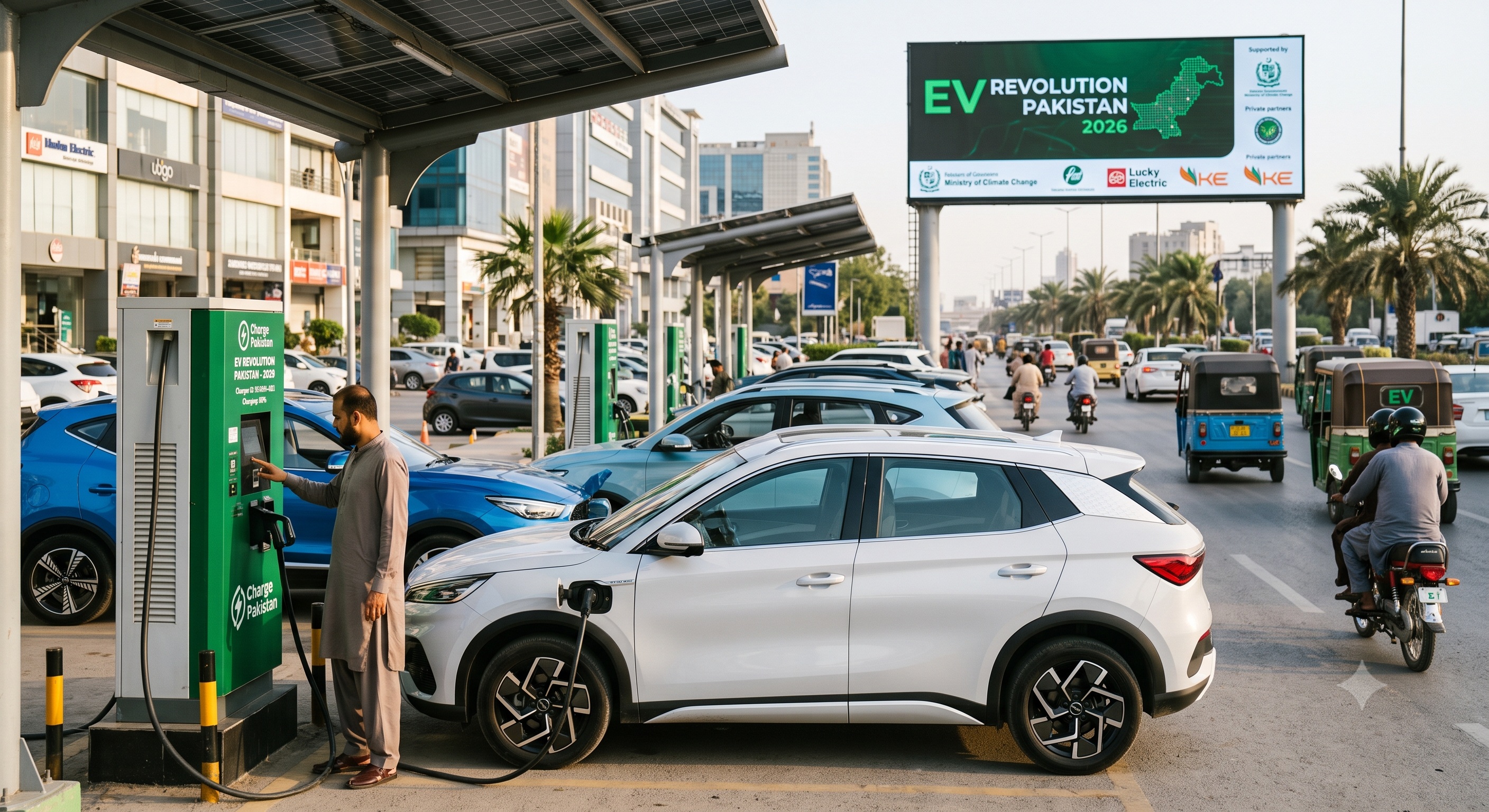
What to Expect by 2026: Key Projections
By 2026, several factors are expected to converge, pushing Pakistan's EV market into a new growth phase.
Increased Adoption & Model Availability
We anticipate a broader array of EV models entering the Pakistani market, including locally assembled units. Brands are recognizing the market's potential, and competition will drive down prices, making EVs a more competitive option against traditional cars. The two and three-wheeler segments are expected to lead this surge due to their affordability and suitability for urban commuting.
Expanding Charging Infrastructure
Public and private sector investment in charging infrastructure is projected to accelerate. Expect to see more fast-charging stations at petrol pumps, shopping malls, and residential areas. Companies like SkyTech.pk are also stepping in to provide home charging solutions, making the transition smoother for residential users.
Government Incentives & Local Manufacturing
Government policies are likely to evolve further, potentially offering more robust incentives for local manufacturing. This focus on local production will not only create jobs but also reduce import dependency, stabilize prices, and foster a self-sustaining EV ecosystem. The localization of battery production and component manufacturing will be key milestones.
Economic & Environmental Impact
The shift to EVs promises substantial benefits for Pakistan.
Economic Benefits:
- Reduced Fuel Import Bill: Less reliance on imported fossil fuels will significantly ease the pressure on Pakistan's foreign exchange reserves, a critical economic relief.
- Lower Running Costs: For consumers, EVs offer dramatically lower running costs. With electricity rates, especially during off-peak hours, being considerably cheaper than petrol, monthly savings can be substantial, particularly for high-mileage users.
- Job Creation: The growth of the EV industry, from manufacturing and assembly to charging station installation and maintenance, will generate numerous employment opportunities.
Environmental Benefits:
- Reduced Air Pollution: EVs produce zero tailpipe emissions, directly contributing to cleaner air in urban centers, combating smog, and improving public health.
- Lower Carbon Footprint: As Pakistan increasingly integrates renewable energy sources like solar into its grid (a core offering of SkyTech.pk), the overall carbon footprint of EVs will further diminish, aligning with global climate change goals.
💡 Pro Tip: To maximize your EV's cost savings in Pakistan, consider installing a solar energy system at home. Charging your electric vehicle with self-generated solar power can virtually eliminate fuel costs, especially during off-peak grid hours or even during load-shedding if you have a reliable battery backup system.
Key Insights into Pakistan's EV Future (2026)
Here’s a snapshot of what Pakistan can look forward to by 2026:
- Market Growth: Expect a significant increase in the number of EVs on the road, particularly in the two and three-wheeler segments, making them a common sight in major cities.
- Charging Accessibility: A noticeable expansion of charging infrastructure, reducing range anxiety and making inter-city travel more feasible for EV owners.
- Policy Evolution: Continued government support and refinement of EV policies, fostering an environment conducive to investment and adoption.
- Local Production: Initial steps towards robust local manufacturing and assembly of EVs and their components, creating a sustainable supply chain within Pakistan.
- Economic Advantage: Tangible benefits from reduced fuel imports and lower operational costs for consumers, helping manage personal and national finances.
- Greener Cities: A measurable improvement in urban air quality as more zero-emission vehicles replace petrol and diesel counterparts.
Navigating the EV Future with SkyTech.pk
As Pakistan accelerates towards an electrified future, SkyTech.pk remains at the forefront, not just as a marketplace for smart tech and energy solutions but also as a guide for sustainable living. Whether you're considering an EV, looking for home charging solutions, or planning to power your vehicle with solar energy, SkyTech.pk offers expert advice and a wide range of products to support your journey.
By 2026, Pakistan's automotive landscape will be undeniably different. The EV revolution isn't just about changing cars; it's about transforming our cities, boosting our economy, and securing a healthier, more sustainable future for generations to come. The road ahead is electric, and Pakistan is ready to drive it.